01
Reduce shift-extension overtime
Measure whether less report-writing and duplicate data entry reduces administrative overtime within one defined test group.

A limited pilot could test whether AI-assisted reporting, better overtime categorization, and operational dashboards reduce avoidable cost while returning sworn and supervisory hours to patrol, investigations, and leadership.
Pilot objective
The proposed pilot concentrates on administrative work—not discretionary enforcement decisions, autonomous report submission, or predetermined staffing reductions.
Measure whether less report-writing and duplicate data entry reduces administrative overtime within one defined test group.
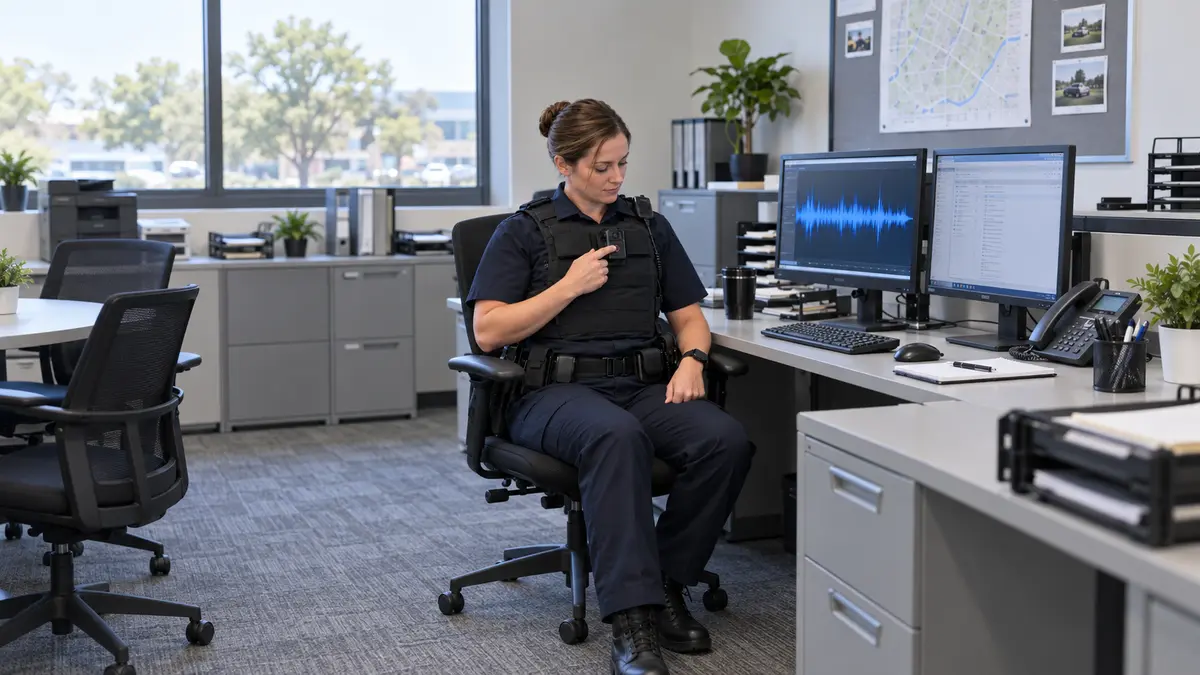
Track hours returned to patrol, investigations, supervision, and other productive public-safety functions separately from cash savings.
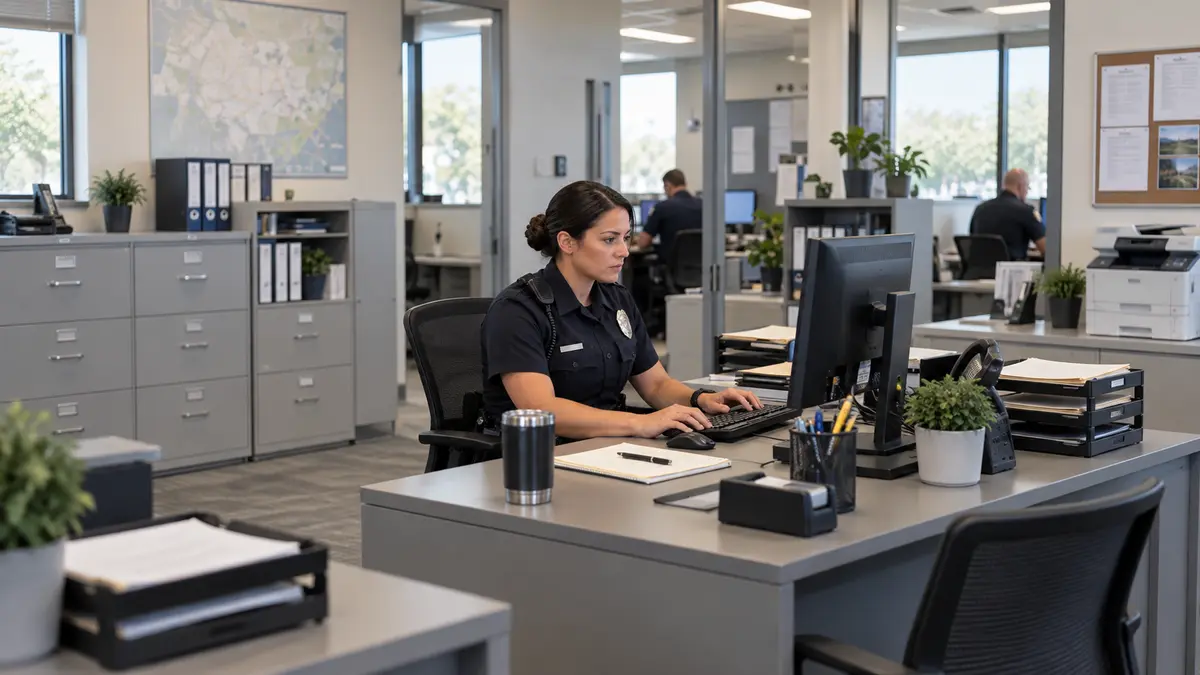
Organize scheduling, vacancies, leave, overtime causes, and operational indicators into timely, reviewable information.
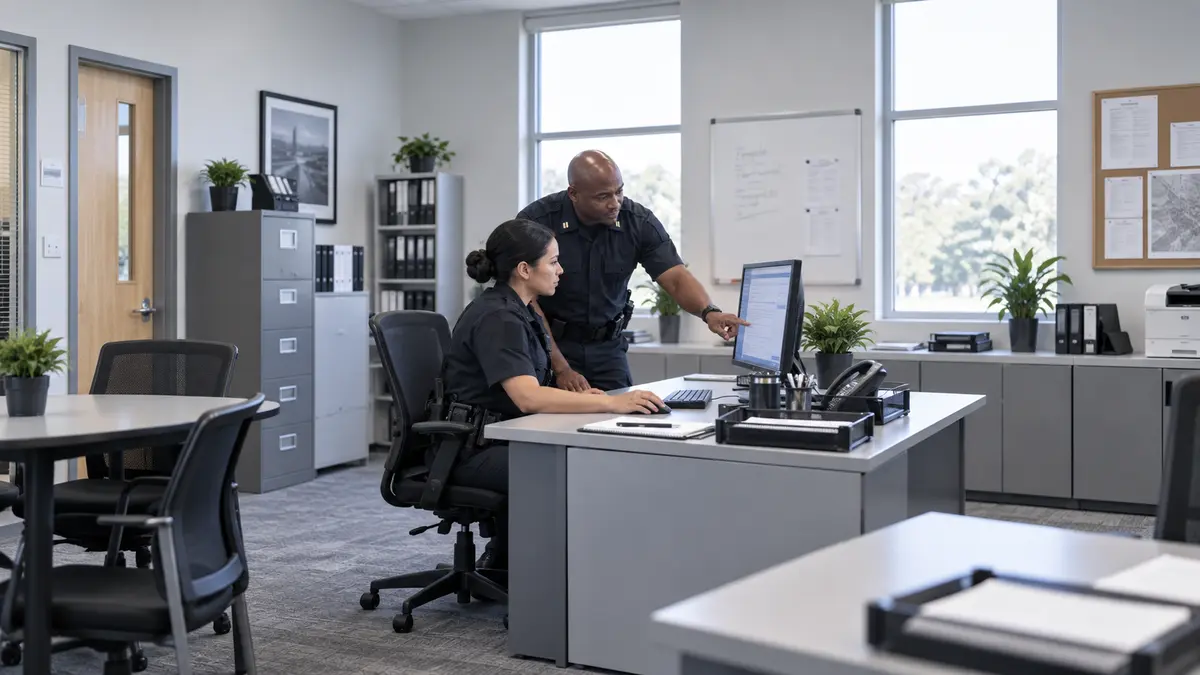
Proposed scope
A small implementation team could work with one patrol shift or specialized unit, creating a defined comparison group and limiting operational risk.
Document report-processing time, administrative shift extensions, overtime causes, staffing constraints, and service measures before deployment.
Connect only approved records and define retention, access, audit, review, and security requirements before using operational information.
Test whether authorized dispatch records, officer notes, or body-worn-camera audio can support initial drafts that officers fully review, correct, and approve.
Separate vacancy coverage, minimum staffing, sick leave, vacation, court, training, investigations, special events, and emergency response.
Compare spending, hours, report time, workload, response, coverage, and quality indicators—not cost alone.
At Month 6, determine whether validated savings and capacity gains exceed implementation and ongoing costs.
Illustrative investment
The proposal uses a planning budget for roughly 30 test-group users. Actual pricing would depend on procurement, integration, data preparation, security requirements, and selected technology.
Success measures
Targets would be finalized only after a verified baseline and agreement among Police, Finance, Information Services, labor representatives, legal counsel, and City management.
Public-safety safeguards
The pilot should stop or be redesigned if financial gains depend on weakened service standards, unreliable outputs, unacceptable security exposure, or unapproved changes to working conditions.
No report is independently submitted by AI. The responsible officer reviews, corrects, and approves every draft.
Representatives should review the scope, measures, workflows, workload effects, and applicable agreements before the pilot begins.
City counsel and information-security staff determine applicable requirements, acceptable data uses, retention rules, audit trails, and access controls.
Adjust test-group size, hours, overtime rate, pilot duration, and program cost in the transparent CityBudget.ai planning model.
Open the savings model